

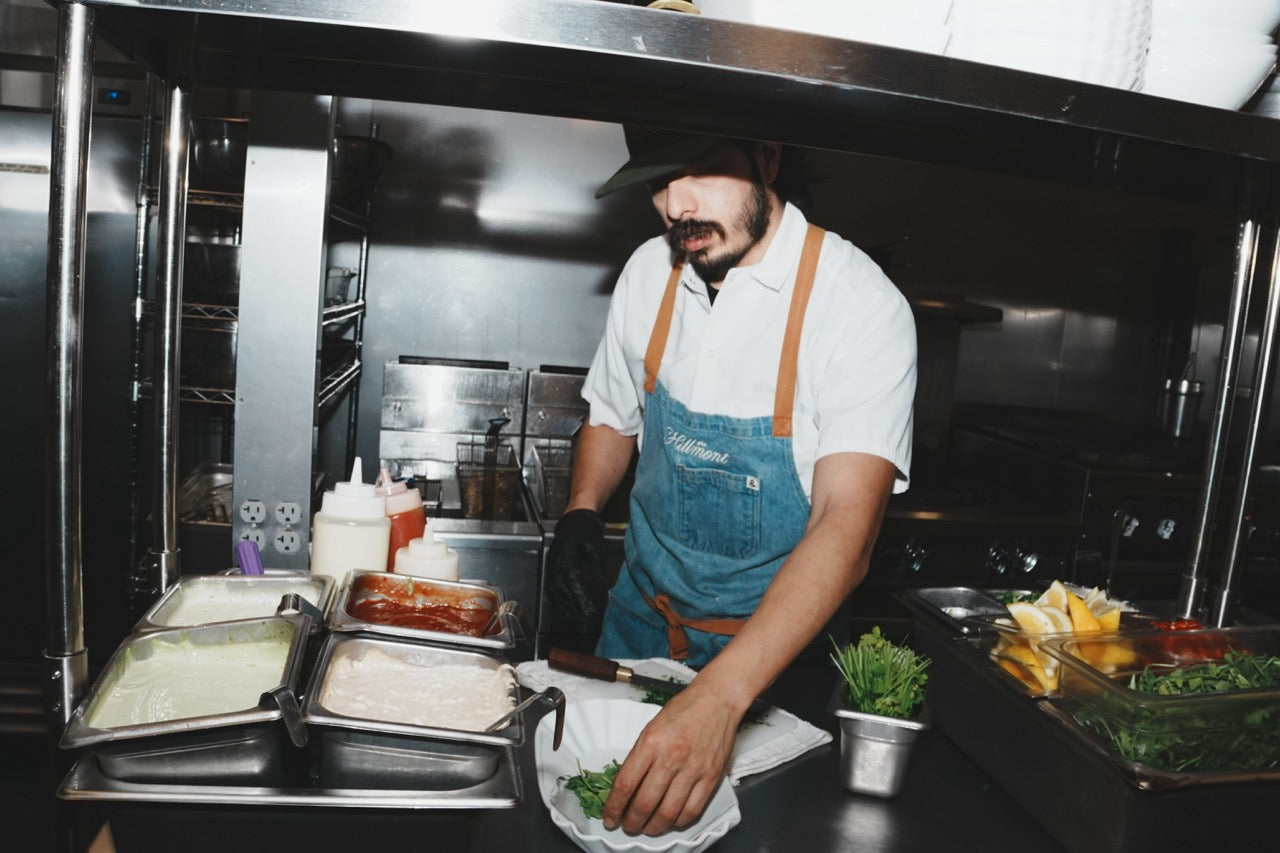
Seven Back Office Systems Every Growing Restaurant Needs
Restaurant growth creates administrative work.
More employees create more payroll questions. More vendors create more invoices. Higher sales create more transactions. More customers create more messages. More marketing creates more website and menu updates.
Without clear back office systems, growth can make a restaurant harder to manage.
These seven systems help restaurant owners create a business that does not depend on one person remembering everything.
1. A Restaurant Payroll Review System
Restaurant payroll should have a documented schedule and clear responsibilities.
The process should identify:
- Who reviews employee timecards
- When payroll corrections are due
- Where payroll notes are submitted
- Who approves overtime
- How tips are reported
- Who submits payroll
- Where payroll reports are stored
A repeatable payroll process reduces last minute corrections, employee confusion, and the amount of information living in text messages.
2. An Employee Onboarding System
Every new employee should move through the same onboarding process.
The restaurant should track offers, employment documents, payroll setup, timekeeping access, policies, training, and completion.
The process should not depend on which manager happens to be working when the employee starts.
3. A Vendor Bill System
Restaurant invoices need one destination and one approval process.
The owner should be able to identify:
- Bills received
- Bills awaiting approval
- Bills entered into QuickBooks
- Bills scheduled for payment
- Past due balances
- Vendor credits
- Disputed charges
This creates better cash visibility and more reliable restaurant bookkeeping.
4. A Monthly Bookkeeping System
Monthly bookkeeping should include more than transaction categorization.
A complete process may include:
- Bank reconciliations
- Credit card reconciliations
- Point of sale reconciliation
- Payroll entries
- Vendor bill review
- Loan balance review
- Financial statements
- Owner review
The books should be completed soon enough to help the owner make decisions.
5. A Customer Communication System
Customer questions arrive through phone calls, email, website forms, social media, Google, and reservation platforms.
The restaurant should decide:
- Who monitors each channel
- How quickly messages should be answered
- Which questions require management
- How complaints are documented
- How event inquiries are handled
- Which responses can be standardized
Customers should receive consistent information regardless of who sees the message.
6. A Restaurant Marketing Calendar
Marketing should be connected to the restaurant’s operational calendar.
Plan for:
- Seasonal menus
- Holidays
- Events
- Catering periods
- Gift card promotions
- Slower service periods
- Photography needs
- Menu updates
- Email campaigns
- Website changes
A shared calendar gives the team time to prepare instead of promoting everything at the last minute.
7. A Documented Approval System
Restaurant owners should clearly define who can approve:
- Employee pay changes
- Overtime
- Vendor bills
- Purchases
- Refunds
- Marketing expenses
- Website changes
- Menu pricing
- Promotions
- Contracts
Clear approval authority reduces confusion and protects the business from unplanned commitments.
Systems Should Make the Restaurant Lighter
The goal is not to add paperwork. The goal is to make important work predictable.
A strong system tells people what needs to happen, who owns it, where the information belongs, and when it is due.
That allows the owner to spend less time searching for information and more time leading the business.
Restaurant Back Office Support
Fairwell Collective provides back office support for independent restaurants and hospitality businesses.
Our services include payroll administration, employee onboarding, HR administration, restaurant bookkeeping, accounts payable, vendor bill management, financial reporting, marketing, graphic design, social media, photography, video, and website support.
Fairwell Collective is based in Auburn and supports businesses throughout Roseville, Sacramento, Placer County, Nevada County, and surrounding Northern California communities.
If your restaurant has outgrown a collection of texts, inboxes, spreadsheets, and verbal approvals, contact Fairwell Collective to discuss a more dependable operating system.

Written by Fairwell Co.


Leave a comment
This site is protected by hCaptcha and the hCaptcha Privacy Policy and Terms of Service apply.