

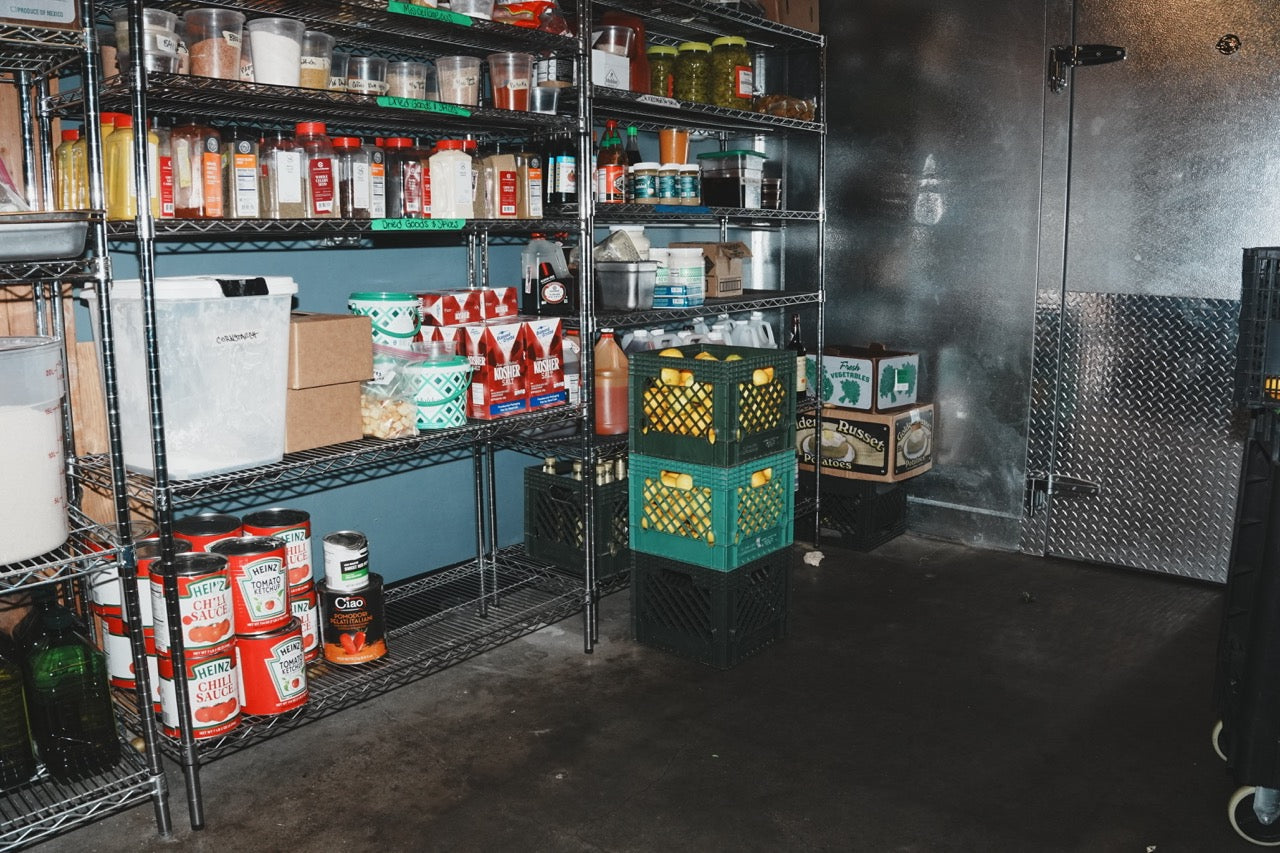
How Restaurants Can Stop Losing Vendor Bills in Email
Restaurant vendor bills arrive from everywhere.
Some are emailed to the owner. Others are sent to a manager. Paper invoices arrive with deliveries. Statements appear in vendor portals. Repair companies text photos of invoices. A few bills are mailed to the restaurant.
When there is no central restaurant accounts payable process, it becomes difficult to know what has been received, approved, entered, or paid.
The result is often missed payments, duplicate payments, vendor confusion, late fees, and unreliable bookkeeping.
Why Restaurant Invoices Get Lost
Restaurant owners and managers receive a large volume of information every day.
An invoice may arrive while someone is managing a shift, handling an employee callout, speaking with a customer, or placing an order. The invoice gets opened, but no clear next step occurs.
Common problems include:
- Vendors sending invoices to personal email addresses
- Managers approving bills through text messages
- Paper invoices being left in the office
- Bills being paid before they are entered into QuickBooks
- Multiple people assuming someone else handled the invoice
- Statements being mistaken for duplicate bills
- Vendor credits not being applied
- Automatic payments not being recorded correctly
Each problem may seem small. Together, they prevent the owner from knowing what the restaurant actually owes.
Create One Place for Every Vendor Bill
The first step is establishing one approved destination for invoices.
This could be a dedicated accounting email address, a QuickBooks bill system, or another organized document flow.
Vendors should be instructed to send invoices to the same location. Managers can still receive operational communication, but the actual invoice should be forwarded into the central system.
A single destination makes it easier to answer three important questions:
- Did we receive the bill?
- Has it been approved?
- Has it been paid?
Separate Receiving, Approval, and Payment
A strong restaurant accounts payable process has clear responsibilities.
Receiving confirms that the invoice arrived.
Approval confirms that the product or service was authorized and received.
Payment confirms that the approved bill was paid through the restaurant’s normal payment process.
One person may perform more than one of these duties in a smaller business, but the steps should still be documented separately.
Enter Bills Before Paying Them
Paying bills directly from email or a bank account may feel faster, but it can make the accounting records unreliable.
Bills should generally be entered into the bookkeeping system with:
- The correct vendor
- Invoice number
- Invoice date
- Due date
- Expense category
- Supporting document
- Approval information
Once the bill is entered, payment can be scheduled and matched correctly.
This allows the owner to see upcoming obligations instead of discovering them after money leaves the bank account.
Review Restaurant Vendor Statements
Vendor statements are useful for identifying missing invoices, unapplied credits, duplicate charges, and old balances.
Statements should be compared with the restaurant’s accounting records.
If a vendor statement includes an invoice that is not in QuickBooks, the invoice should be requested and reviewed before payment.
Statements should not automatically be entered as new bills because the individual invoices may already exist.
Establish a Regular Payment Schedule
Paying bills every day creates interruptions and makes cash planning difficult.
Many restaurants benefit from a regular approval and payment schedule:
- Vendor bills are collected throughout the week
- Managers approve bills by a set day
- The bookkeeping team reviews supporting documents
- The owner receives a payment list
- Approved payments are scheduled
Emergency payments can still be handled when necessary, but routine bills follow a predictable process.
Restaurant Accounts Payable Support
Fairwell Collective provides accounts payable and restaurant bookkeeping support for hospitality businesses in Auburn, Roseville, Sacramento, and throughout Northern California.
Our support can include collecting invoices, entering vendor bills, maintaining supporting documents, tracking approvals, preparing payment lists, scheduling approved payments, reviewing statements, applying credits, and reconciling accounts.
A restaurant should be able to see what it owes without searching through several inboxes.
If vendor bills are spread across emails, text messages, paper stacks, and online portals, contact Fairwell Collective to organize the process.

Written by Fairwell Co.

Leave a comment
This site is protected by hCaptcha and the hCaptcha Privacy Policy and Terms of Service apply.